 Written by Katie Welch, Senior Biohazard Cleaning Technician · 8+ years in the industry
The landlord's buildings insurance normally pays to repair and clean the property, so work can start quickly. But who started the fire can still matter. The tenant's contents insurance pays for personal belongings. If the tenant caused the fire through carelessness, the landlord or their insurer may claim the cost back from the tenant. If faulty wiring or a landlord's appliance caused it, the landlord pays.
A fire in a rented home raises two questions at once: who fixes the damage, and who pays for it. The answer depends on what caused the fire and what insurance is in place. This guide explains how it usually works in England and Wales.
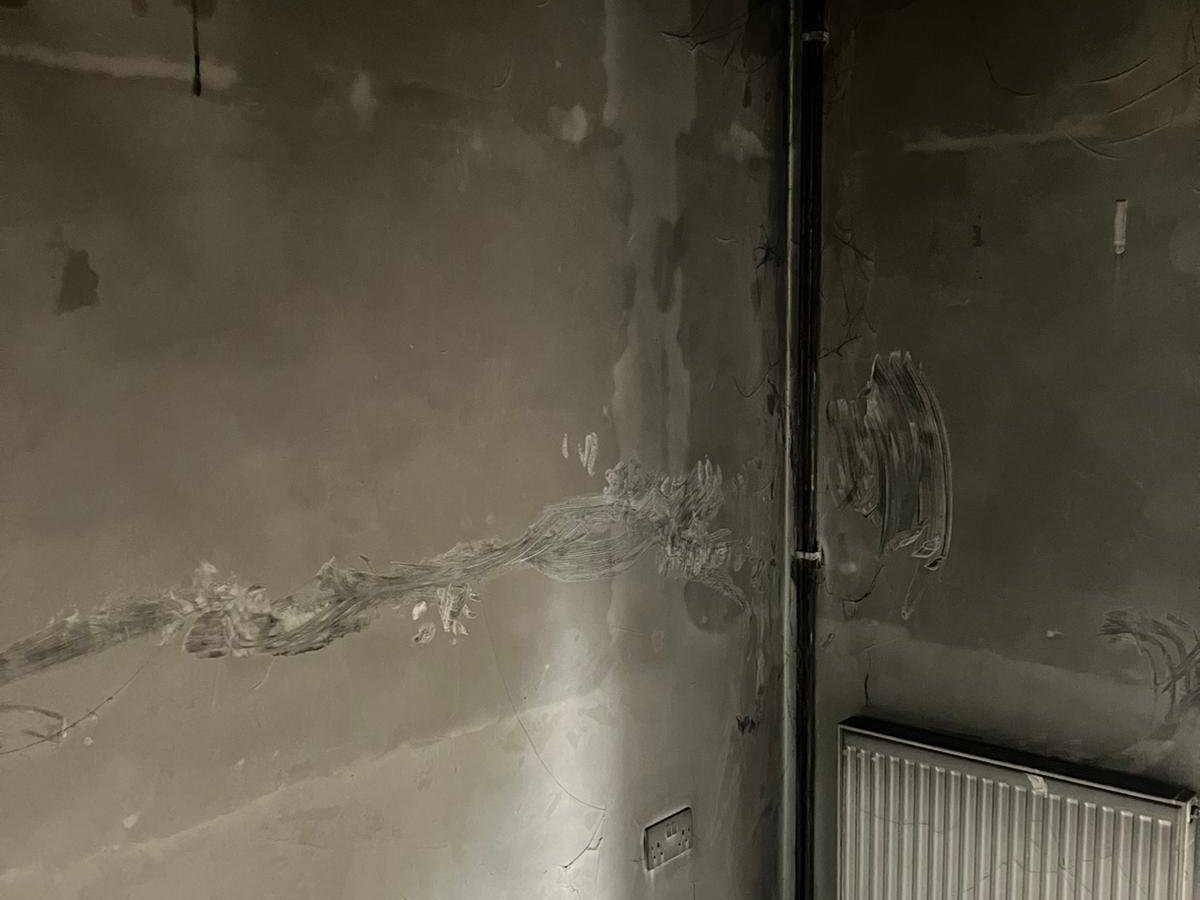
Fire in a rented property? We can start the clean-up quickly
Itemised quotes insurers accept. 24/7, 365 days a year, across the UK.
Who pays for what: the quick guide
| What’s damaged | Who pays |
|---|---|
| The building (walls, ceilings, kitchen, bathroom, wiring, fixtures) | Landlordbuildings insurance |
| Smoke and soot cleaning of the property | Landlordbuildings insurance |
| The landlord's furniture and appliances in a furnished let | Landlordlandlord contents cover |
| The tenant's own belongings | Tenanttheir contents insurance |
| The insurance excess | Landlordunless the tenancy agreement says otherwise or the tenant was at fault |
| A block of flats (communal areas and structure) | Freeholderor management company, through the block policy |
What if the tenant caused the fire?
Tenants must look after the property in a “tenant-like manner”. Common causes of rental fires include:
- Cooking left unattended
- Smoking indoors, or cigarettes not put out
- Candles
- Overloaded extension leads or cheap chargers
- Portable heaters too close to bedding or curtains
If a fire was caused by the tenant's carelessness, the landlord's insurer will usually still pay to repair the property. The insurer may then try to recover the cost from the tenant. This is called subrogation. The landlord may also claim the excess, or other losses, from the tenant or their deposit.
Tenants
Check your contents policy includes tenant's liability cover. This will pay for any accidental damage caused to the landlord's property. A fire claim can run into the thousands, so this is useful to have.
What if the landlord is responsible?
If the fire came from something the landlord is responsible for, the landlord pays. In some cases they may owe the tenant for their losses too. Landlords in England must:
- Fit a smoke alarm on every storey used as living space
- Fit a carbon monoxide alarm in any room with a fixed combustion appliance (except gas cookers)
- Have the electrics inspected at least every 5 years
- Have gas appliances safety-checked every year
- Make sure furniture provided meets fire safety rules
If a faulty socket, old wiring or a landlord's appliance started the fire, or a missing alarm made it worse, the tenant may be able to claim for their belongings and other costs.
Itemised quotes and photo reports that insurers accept
We provide before and after photo reports and waste transfer notes for anything removed.
Does the tenant still pay rent after a fire?
If the property can't be lived in, most tenancy agreements suspend rent until it's repaired. Many landlord policies include loss-of-rent cover for this reason. Tenants should check whether their contents policy pays for temporary accommodation.
Who arranges the clean-up?
The cleaning is usually arranged by the landlord or their agent. Usually they will go through the insurer. Smoke and soot can spread further than the fire, often through the whole property. It needs specialist cleaning before redecoration, or the smell comes back through new paint.
We work with landlords, letting agents and loss adjusters. We provide:
- Itemised quotes insurers accept
- Before and after photo reports
- Waste transfer notes for anything removed
- A property that's safe to re-let
Find out more about our fire and smoke damage cleaning. If you're unsure what your policy covers, read does home insurance cover fire damage cleaning.
What to do straight after a fire in a rented property
Tenants
- Tell your landlord or letting agent straight away, in writing.
- Take photos and video of everything before anything is moved.
- Call your contents insurer.
- Don't throw damaged belongings away until the insurer gives you the go-ahead.
Landlords
- Make the property safe and secure. Board it up if required.
- Call your buildings insurer and get a claim number.
- Get the electrics and gas checked before anyone moves back in.
- Arrange professional smoke and soot cleaning before any repairs or redecoration.
Frequently asked questions
Is a tenant liable for fire damage?
Only if the tenant caused it through carelessness, such as unattended cooking or smoking. The landlord's insurer usually pays first and may then claim the cost back from the tenant.
Does landlord insurance cover a fire caused by a tenant?
Usually, yes, for damage to the building. The insurer may then try to recover the money from the tenant. Check the policy wording.
Who pays for smoke damage cleaning in a rented home?
The landlord, through their buildings insurance, for the property itself. The tenant's contents insurance covers cleaning or replacing the tenant's own belongings.
Does the landlord have to rehouse the tenant after a fire?
Not automatically. Most tenancy agreements suspend rent while the property can't be lived in. Contents or landlord policies may pay for temporary accommodation.
What are a landlord's responsibilities after a fire?
Make the property safe, report it to their insurer, repair the structure, fixtures and installations, and arrange cleaning so it's fit to live in again.
This guide is general information, not legal advice. Rules differ in Scotland and Northern Ireland.

Fire or smoke damage in a rental? We can help today
We clean smoke and soot from the whole property, provide insurer-ready paperwork, and leave it safe to re-let. 24/7, 365 days a year, across the UK.
- Insurer-ready paperwork
- 24/7, 365 days a year
- Google 4.9 (183 reviews)
- Trustpilot 4.9 (96 reviews)