 Written by Katie Welch, Senior Biohazard Cleaning Technician · 8+ years in the industry
In England and Wales, it depends where the problem is. You're responsible for pipes inside your home and for the drain within your boundary that serves only your property. Your water company is responsible for any pipe shared with neighbours, any pipe outside your boundary, and the public sewer. If you rent, your landlord must fix drains and toilets unless you caused the blockage.
A sewage leak can be a shocking and distressing problem to face. When sewage comes up through a toilet, drain or floor, there are two problems:
- getting the blockage fixed
- getting the mess cleaned up.
Who pays for each of these problems depends on where the fault is. This guide will explain how to work it out quickly.
Sewage in your home? Get it cleaned first, sort out who pays later
We can usually be onsite within 2 hours, 24/7, across the UK.
Drain or sewer: the rule that decides who pays
Since 1 October 2011, water companies in England and Wales have been responsible for most shared pipes. The responsibility for fixing the problem depends on what type of pipe it is.
Drain
A pipe that carries waste from your home only, and sits inside your boundary. You are responsible.
Sewer
A pipe that carries waste from two or more homes. The water company is responsible here, even if it runs under your garden.
Lateral drain
The part of your drain that runs outside of your boundary, such as under the pavement. The water company is responsible.
Where the problem is, and who's responsible:
| Where the problem is | Who’s responsible |
|---|---|
| Toilets, sinks, baths and pipes inside your home | You (or your landlord) |
| Your drain, inside your boundary, serving only your home | You (or your landlord) |
| A pipe shared with neighbours, even in your garden | The water company |
| Your drain outside your boundary (lateral drain) | The water company |
| The public sewer in the street | The water company |
| Septic tank, cesspit or private treatment plant | You (the owner) |
Source: Water Industry (Schemes for Adoption of Private Sewers) Regulations 2011. See Citizens Advice: who is responsible for repairing drains and sewers.
Scotland and Northern Ireland
Scotland and Northern Ireland have different rules. Check with Scottish Water or NI Water.
How to tell if the problem is yours or the water company's
Work through these questions:
- Is it only affecting your home? If the toilet won't flush but your neighbours are fine, the blockage is probably in your pipes or your drain.
- Are neighbours affected too? Then the problem is probably in a shared sewer, which the water company is responsible for.
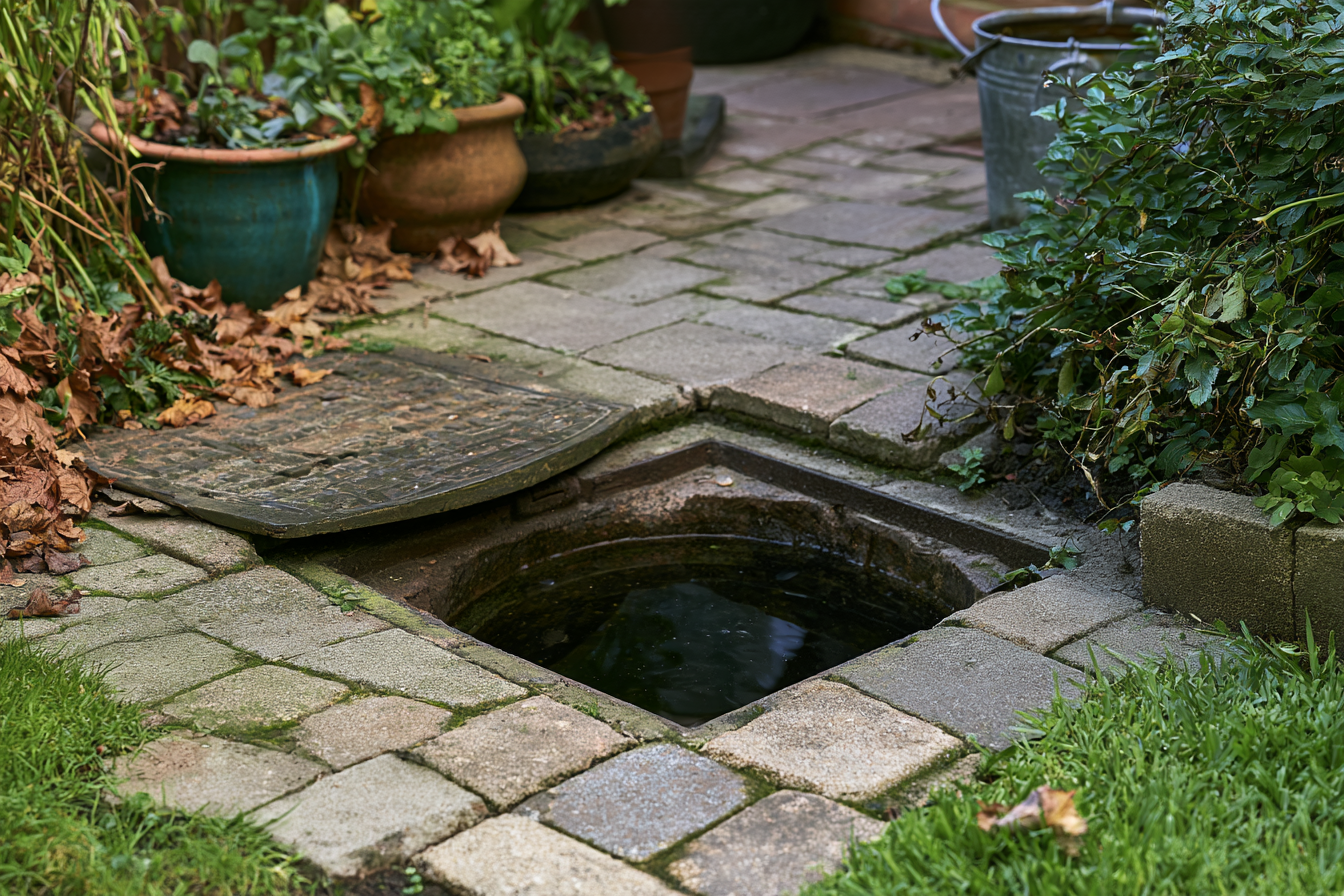
- Lift your manhole cover, if you have one. If it's full, the blockage is further down the line, outside your property. If it's empty, the blockage is between your house and the manhole, in your drain.
- Is sewage coming up from a manhole in the street? Call the water company straight away.
If you're not sure, call your water company anyway. They'll tell you whether the pipe is theirs. Many will send someone out free of charge if it's their sewer.
Is the water company responsible for a sewage backup?
Yes, if the sewage came from a public sewer or a shared pipe. In that case the water company should:
- clear the blockage in their sewer
- clean up and disinfect affected outside areas such as gardens, driveways and paths
- arrange or pay for clean-up inside your home if sewage got inside
Compensation: the Guaranteed Standards Scheme
You may also be owed compensation under the Guaranteed Standards Scheme. If sewage from a public sewer gets inside your home, you're entitled to a refund of your annual sewerage charges. In England, that's between £300 and £2,000, and it goes up if it happens again within 12 months. In Wales, it's between £150 and £1,000. This is separate from any insurance claim.
Report it to the water company as soon as it happens, and keep a record: photos, dates, times and who you spoke to.
Itemised quotes and photo reports that insurers accept
We provide waste transfer notes and paperwork for loss adjusters, landlords and water companies.
Landlord responsibility for a sewage leak
If you rent your home, your landlord is responsible for keeping the drains, toilets, sinks and pipes in good repair. This is under section 11 of the Landlord and Tenant Act 1985. Your landlord should:
- arrange for clearance of the blockage
- arrange for professional cleaning if any sewage got into the home
- repair any damage caused by the sewage leak to the property
The exception is when the tenant caused the blockage, for example by flushing wet wipes, nappies or sanitary products, or pouring fat down the sink. The landlord may then charge the tenant for the cost.
Tenants
Report it to your landlord or letting agent in writing straight away, and take photos.
Landlords
Act quickly. Sewage in a home is a health hazard and can make it unfit to live in.
Sewage leak from a neighbour: who pays?
It depends on which pipe failed.
- Their own pipe (serving only their home) leaked into yours: your neighbour is responsible. Their buildings insurance usually pays, or yours will and then claim it back from them.
- A shared pipe failed: the water company is responsible for the pipe. Your own buildings insurance usually covers clean-up inside your home.
- In a block of flats, a shared soil stack or drain is usually the freeholder's or management company's responsibility. Check your lease.
Does home insurance cover sewage clean-up?
Most buildings insurance policies cover damage caused by sewage. This includes professional cleaning and repairs. Many policies don't cover the cost of clearing a blocked drain itself unless you have drain cover.
To make a claim go smoothly:
- Take photos and video before you move anything.
- Don't throw anything away until the insurer agrees, or photograph it first.
- Get an itemised quote for the clean-up.
- Keep receipts for anything you pay for.
We provide itemised quotes, photo reports and waste transfer notes that insurers and loss adjusters accept.
Whoever pays, get it cleaned quickly
Responsibility can take days to sort out, but sewage can't wait that long. It soaks into floors and walls, and the health risk grows the longer it sits.
Get the clean-up started, keep the paperwork, and sort out who pays afterwards. If you want to know what's involved, read how to clean up a sewage leak. Or call us: we can usually be onsite within 2 hours. Find out more about our sewage clean-up service.
Frequently asked questions
Who is responsible for a blocked drain in the UK?
You are, if the drain serves only your property and the blockage is inside your boundary. If the pipe is shared with neighbours, or the blockage is outside your boundary, the water company is responsible (in England and Wales).
Who pays for sewage clean-up inside my home?
If the sewage came from a public or shared sewer, the water company should arrange or pay for clean-up. If it came from your own pipes, you or your buildings insurer pay. If you rent, your landlord arranges it unless you caused the blockage.
Can I claim compensation for sewer flooding?
Yes, if a public sewer flooded your home. Under the Guaranteed Standards Scheme, you may be owed a refund of your annual sewerage charges. Contact your water company.
Is my landlord responsible for a blocked toilet?
Usually, yes. Landlords must keep toilets and drains in working order. You may have to pay if the blockage was caused by something you flushed, such as wipes or nappies.
My neighbour's sewage is leaking into my property. What should I do?
Tell your neighbour and the water company. If it's your neighbour's own pipe, they (or their insurer) are responsible. If it's a shared pipe, it's the water company's. Either way, get the area cleaned quickly and keep photos.
This guide is general information, not legal advice. Rules differ in Scotland and Northern Ireland.

Sewage leak? We can help today
Whoever ends up paying, we can start the clean-up now and give you the paperwork to claim it back. 24/7, 365 days a year, across the UK.
- Usually onsite within 2 hours
- Insurer-ready paperwork
- Google 4.9 (183 reviews)
- Trustpilot 4.9 (96 reviews)