 Written by Katie Welch, Senior Biohazard Cleaning Technician · 8+ years in the industry
Yes. Human faeces can carry norovirus, E. coli, Salmonella, hepatitis A and C. diff. Some of these can survive on surfaces for days or weeks, and C. diff spores for months. Drying doesn’t make it safe: scraping or sweeping dried faeces can push particles into the air. Always wear disposable gloves, and call a professional for large amounts, dried or smeared waste, or soft furnishings.
Most people clean up a small accident at some point, whether it’s from a child or an unwell family member. That’s usually fine as long as you take the right precautions. But some situations carry a much higher risk: waste that has been there a long time, waste that has spread across a room, or waste in carpets and furniture. This guide explains the risks and how to stay safe.
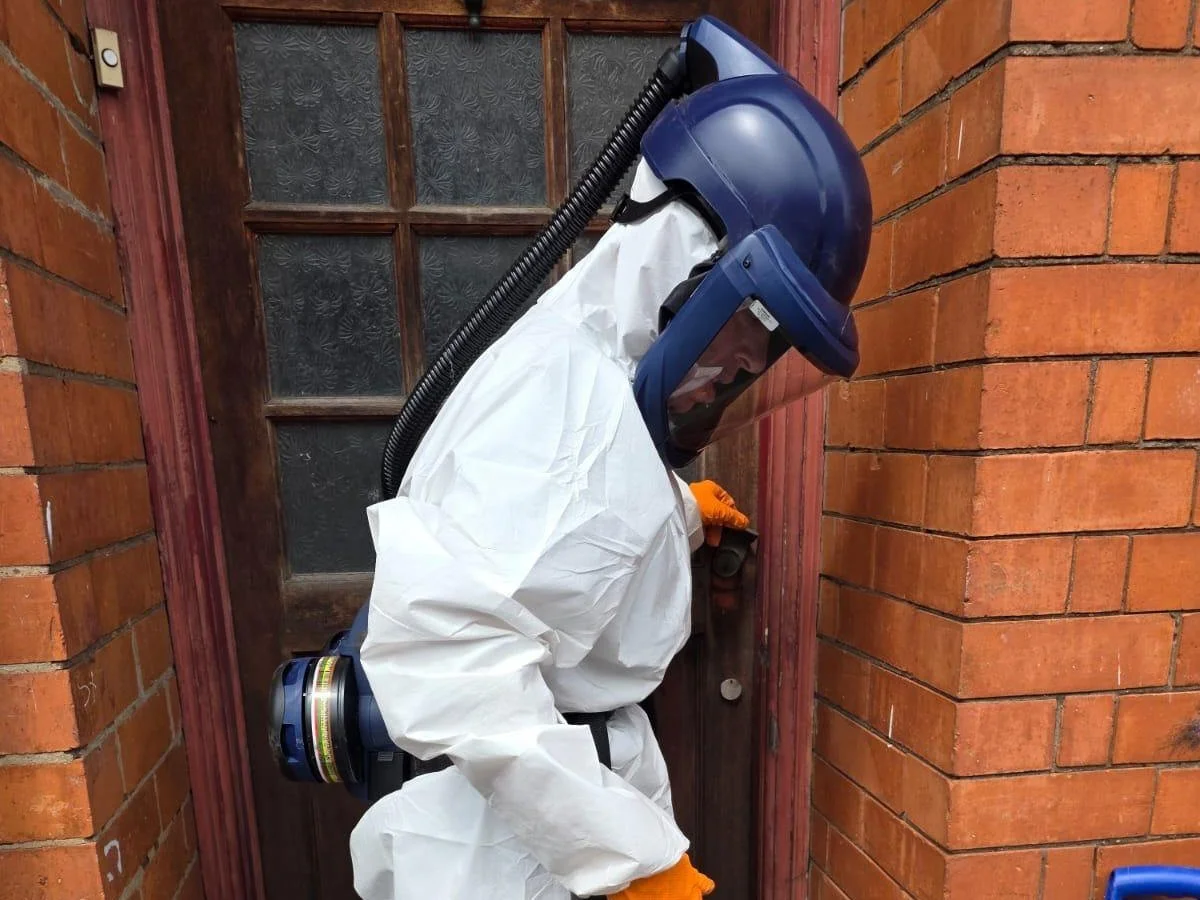
More than a small accident? Let us deal with it safely
Discreet, fully protected teams. Contaminated materials removed and every surface disinfected. 24/7, 365 days a year, across the UK.
What diseases can you catch from human faeces?
- Norovirus: the winter vomiting bug. A tiny amount is enough to make you ill.
- E. coli: some types cause severe stomach illness.
- Salmonella and Campylobacter: common causes of food poisoning.
- Hepatitis A: a liver infection spread through tiny traces of faeces.
- C. difficile (C. diff): causes severe diarrhoea, especially in older people and anyone on antibiotics.
- Parasites such as Giardia and Cryptosporidium.
You can’t tell by looking whether waste carries any of these. That’s why professionals treat all human waste as infectious.
How long do germs from faeces live on surfaces?
| Germ | How long it can survive on hard surfaces |
|---|---|
| Norovirus | Days, and up to about 2 weeks |
| E. coli and Salmonella | Hours to days, longer on damp surfaces |
| Hepatitis A | Weeks |
| C. diff spores | Months |
These times apply to hard surfaces. If waste has got into soft furnishings such as carpet, mattresses or sofas, it stays moist for longer and is much harder to remove. For other body fluids, read how long are bodily fluids dangerous?
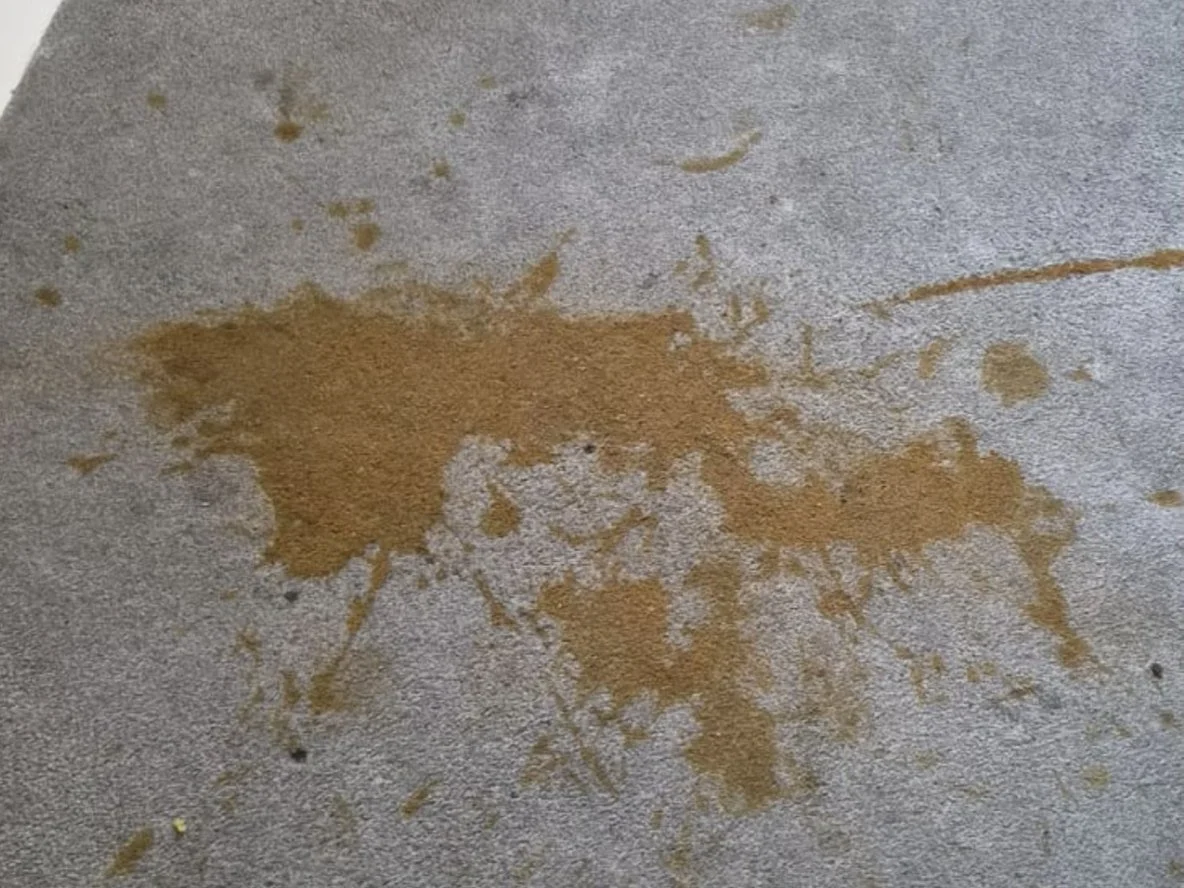
Is dried poo dangerous?
Yes. Drying kills some bacteria, but viruses and spores can survive. Dried waste also brings a new risk: breathing it in. Scraping, sweeping or vacuuming breaks it into dust that you can inhale, or that settles on other surfaces.
Never dry-sweep dried faeces or vacuum it with a household vacuum. Dampen it first, and lift it rather than scrubbing.
Health warning
If faeces gets into your eyes, mouth or an open cut, wash the area straight away and call NHS 111 for advice. If you get sickness or diarrhoea after cleaning, stay off work and away from vulnerable people until 48 hours after it stops.
That’s a job for a professional team
We wear full PPE, remove contaminated materials and disinfect with products that work against C. diff spores.
Do you need gloves to clean up poo?
Yes, always. Here’s the minimum:
- Disposable nitrile gloves, not washing-up gloves. Bin them afterwards.
- A disposable apron, or old clothes you can wash on a hot cycle.
- Eye protection if there’s any chance of splashing.
- A mask if the waste has dried or there’s a lot of it.
Wash your hands with soap and water afterwards, even if you wore gloves. Hand gel doesn’t kill norovirus or C. diff.
How to clean up a small accident safely
For a small amount on a hard floor:
- Keep children and pets away.
- Put on nitrile gloves and an apron.
- Lift the waste with paper towels first and put it in a plastic bag.
- Clean the area with hot water and detergent.
- Disinfect with a bleach-based product, following the label instructions.
- Bag the gloves, apron and towels, tie the bag, and put it in your outside bin.
- Wash your hands thoroughly.
Waste on a carpet or mattress is harder to deal with, because it soaks through the material and the smell often comes back. If urine was involved too, the smell is even more likely to return. Read about urine-soaked floorboards, or our full guide on how to clean human faeces.
When to call a professional
- There’s a large amount, or it’s spread over walls, floors or furniture.
- It’s been there for days or weeks and has dried.
- It’s affected carpet, a mattress or a sofa.
- It’s linked to illness, including suspected C. diff.
- It’s in a communal area, a rented property or a workplace.
- Someone is living with dementia or self-neglect and it keeps happening.
We see this in homes where someone has been unwell, in hoarded and neglected properties, and in communal stairwells and bin stores. Our team removes contaminated materials and disinfects with Byotrol first. Where C. diff is a risk, they then use Versan, a chlorine-based disinfectant, because most disinfectants don’t kill C. diff spores. All waste is safely bagged and disposed of by a licensed waste carrier.
Frequently asked questions
Can you get sick from cleaning up human faeces?
Yes. Faeces can carry norovirus, E. coli, Salmonella, hepatitis A and C. diff. Wear disposable gloves, avoid touching your face, and wash your hands with soap and water afterwards.
How long does bacteria from faeces live on surfaces?
E. coli and Salmonella last hours to days. Norovirus can last up to about 2 weeks, hepatitis A for weeks, and C. diff spores for months.
Is dried poo dangerous?
Yes. Drying doesn't kill viruses or spores, and scraping or sweeping dried faeces can put particles into the air. Dampen it first and lift it, don't sweep it.
Do I need gloves to clean up poo?
Yes. Use disposable nitrile gloves, bin them afterwards and wash your hands with soap and water. Hand gel doesn't kill norovirus or C. diff.
Does bleach kill germs in faeces?
Bleach-based products kill most germs on hard surfaces once the waste has been removed and the surface cleaned. They don't reach into carpet, underlay or mattresses.
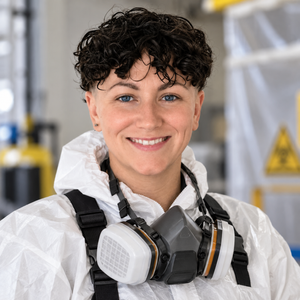
Human waste to clean up? We can help today
Discreet, fully protected teams who remove contaminated materials, disinfect every surface and dispose of the waste safely. 24/7, 365 days a year, across the UK.
- Discreet, unmarked approach
- 24/7, 365 days a year
- Google 4.9 (183 reviews)
- Trustpilot 4.9 (96 reviews)
Hello, World!